Flying To Costa Rica? Here’s What Your Dispatch Team Should Know.
/
Costa Rica has become one of the most attractive destinations for business aviation in Latin America. Its blend of corporate activity, eco-tourism and high‑end leisure travel continues to draw increasing traffic into the country’s main hubs. Yet, because procedures and infrastructure can vary greatly from one airport to another, proper operational planning is essential.
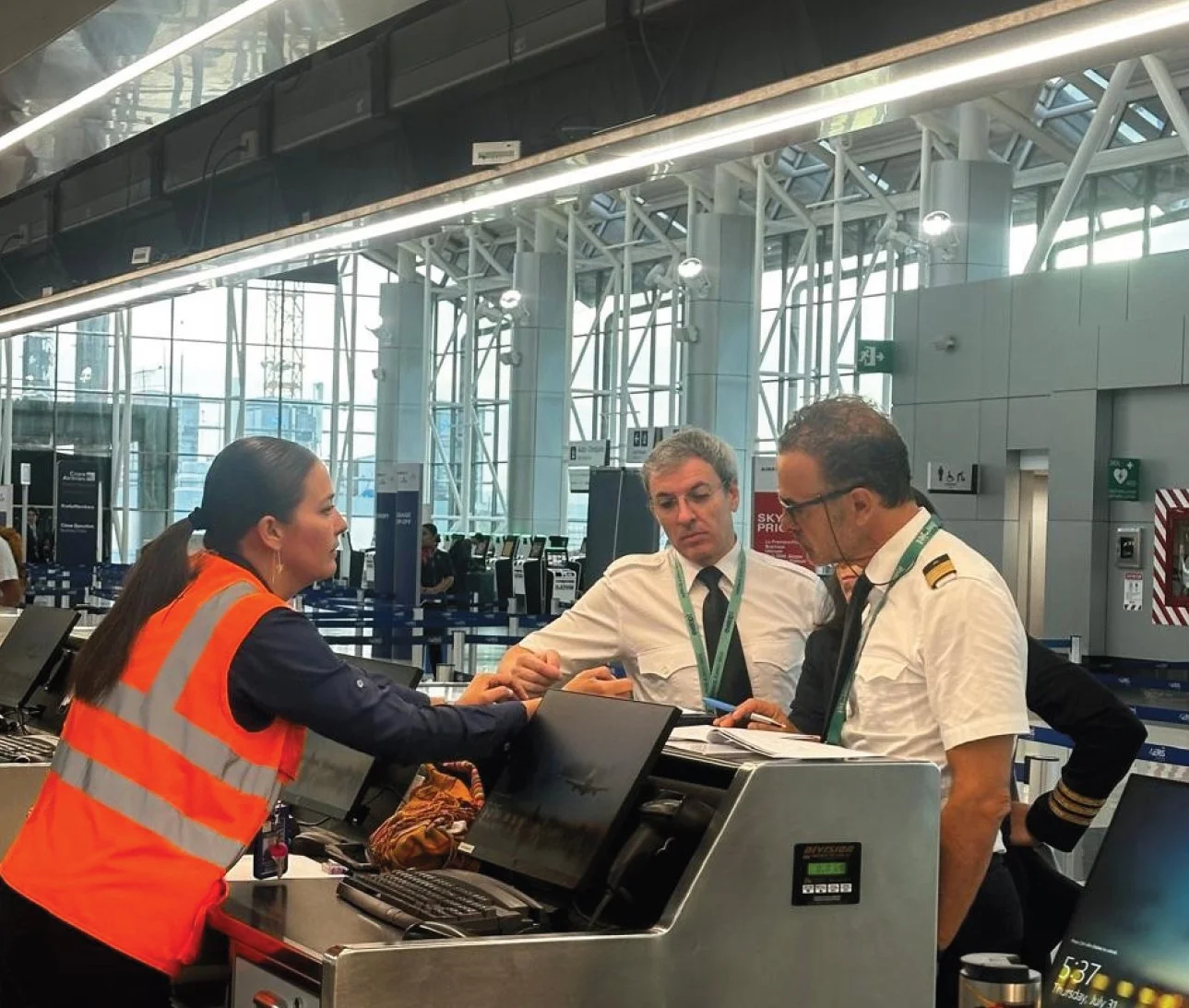
“As someone who supports business aviation operations in Costa Rica on a daily basis, I’ve seen how even well‑planned flights can run into challenges when crews or dispatch teams are unfamiliar with local requirements. The most common issues usually come from last‑minute schedule changes, missing documentation, or misunderstandings about the differences between airports. Local procedures may vary more than operators expect, so early coordination is essential—especially when securing parking positions, managing landing permits, or arranging CIQ processes for arriving passengers.”—Yuliana Rodríguez, Aerojet Handling Group flight dispatcher
Entry Requirements for Crew & Passengers
Passengers
Most nationalities enjoy visa‑free entry, though some exceptions apply. Passports should meet validity requirements, and arrival through general aviation terminals is typically straightforward.
Crew
Crewmembers generally benefit from simplified entry, but authorities may request certain documents depending on nationality and operational category. To avoid delays, dispatch teams should verify crew documentation before arrival.
Landing Permits & Overflight Rules
Landing permits may be required for charter operations or specific private flights. Lead times vary, but complete documentation and accurate schedules are crucial. Overflight permissions should also be reviewed for regional routing.
Fees, Charges, And Budget Planning
Landing permits may be required for charter operations or specific private flights. Lead times vary, but complete documentation and accurate schedules are crucial. Overflight permissions should also be reviewed for regional routing.
CIQ (Customs, Immigration & Quarantine) Process
Customs
Expect baggage screening and possible declaration for high‑value items. Immigration passenger processing is usually smooth; crews often have dedicated procedures.
Agriculture / Quarantine
Restrictions apply to fresh foods, meats and biological products. Pets must meet documentation and vaccination requirements.
Weather, Terrain & Seasonal Planning
Costa Rica’s rainy season can bring rapid weather changes. Afternoon convection is common, and mountainous terrain around key airports requires careful approach planning. Seasonal tourism peaks can also affect traffic volume.
Local Coordination, Operational Procedures & Support Services
Successful operations in Costa Rica rely heavily on strong local coordination. Noise-abatement procedures, NOTAMs related to holidays or special events, slot requirements, and best practices for fueling or quick turnaround handling must all be anticipated in advance.
In addition, a wide range of passenger and crew support services is available, including VIP lounges, crew rest facilities, quality hotels, ground transportation, secure transfer options, and coordinated domestic or helicopter connections. These services enhance comfort and efficiency for both passengers and flight crews.
A trusted local handling partner plays a central role in ensuring operational fluidity. Through specialized knowledge of permits, fueling, CIQ procedures, catering, and transport logistics, the handler becomes the primary point of coordination. Having a dedicated operations contact reduces delays, improves communication, and ensures that all ground activities meet international business aviation standards.
A Final Word From The Ground
Costa Rica presents an operational landscape that demands precision, advance planning and consistent communication across all involved parties. For dispatch teams, every flight into the country is an opportunity to apply best practices, reinforce procedures and anticipate variations that may influence the mission.
When permits are secured, passenger data is complete, and early coordination with the local team is established, operations flow seamlessly. The key lies in respecting lead times, preparing alternates during the rainy season and maintaining constant communication between dispatch, crew and ground support.
A well-planned operation does more than avoid complications; it demonstrates professionalism. And in Costa Rica, that professionalism is the bridge to a truly efficient operational experience.