FBO Success: A Multi-Part Series
/7 Immutable Elements for Building Equity in Your FBO Enterprise ©
There are several reasons why FBO owners and operators should want to build equity in their operation. Chief among them are:
7 Immutable Elements for Building Equity in Your FBO Enterprise ©
There are several reasons why FBO owners and operators should want to build equity in their operation. Chief among them are:
By John L. Enticknap and Ron R. Jackson
Aviation Business Strategies Group
As we have all seen, the cost of Jet A fuel on the world markets started to fall more than 10 months ago and hit the lowest point in January. Since then, the price has been inching up.

By keeping an eye on the fuel market, FBOs can avoid falling short of their profit goals. As we know, the base price for a gallon of Jet A was as low as $1.48 a few months ago. With a Platts price of around $1.90 today, FBOs are paying approximately 42 cents per gallon more, which means an average load of fuel has gone up $3,500.
Because fuel sales drive FBO profitability, it’s imperative we keep a constant vigil on the key elements to pricing our fuel:
At our most recent NATA FBO Success Seminar in March, we forecast that the price of oil was poised for a relatively steady recovery following the recent collapse to under $50 per barrel. Based on market intelligence, including a report by the International Energy Agency (IEA), the recovery will not come close to returning to the highs of past years. In the IEA report, the Paris-based organization of 29 major oil importing nations said the fuel price rebound “will be comparatively limited in scope, with prices stabilizing at levels higher than recent lows but substantially below the highs of the last three years.”
With the continued volatility of Jet A fuel markets, FBOs need to conduct fuel surveys. Many online fuel pricing resources, such as those posted by AC-U-KWIK and others, provide relative survey data that is generally very good for benchmarking the marketplace. With these resources you get instant feedback on the range of pricing in your area plus the average price.
With this type of information, you can complete a simple price formula calculation. For example:
Base Price (Platts or Spot Jet A Price): $1.90
Supplier differential: $0.15
Transportation: $0.10
Fed & State Taxes: $0.337
Flowage Fee: $0.09
Total Cost of Fuel: $2.577
Plus Gross Profit Projected: 2.25
Calculated Retail Price: $4.83
Jet A
$3.30-$7.52
average $4.86
In this example, the projected posted price is just about average. For an FBO that has recently invested in new infrastructure and employee enrichment, such as a new hangar and customer service training, a realistic Jet A posted retail price could easily be $4.98. Now you can start your discounts from there.
However, as we counsel our FBO clients, don’t give away all your services. Every customer who comes on your ramp must contribute to your revenue stream in some way, especially the reluctant customer that doesn’t buy fuel.
Therefore, keep your costs in mind. Knowing your costs to pump fuel is key. With this knowledge you can apply your margin/into plane fee to the contract providers price. Then your business will be lean, mean and profitable!
Give us your feedback; we always like to hear your comments and read our eBook; “FBO Survival, Keep Your Operation Lean Mean & Profitable.”
About the bloggers:
John Enticknap has more than 35 years of aviation fueling and FBO services industry experience. Ron Jackson is co-founder of Aviation Business Strategies Group and president of The Jackson Group, a PR agency specializing in FBO marketing and customer service training. Visit the biography page or absggroup.com for more background.
FOLLOW US
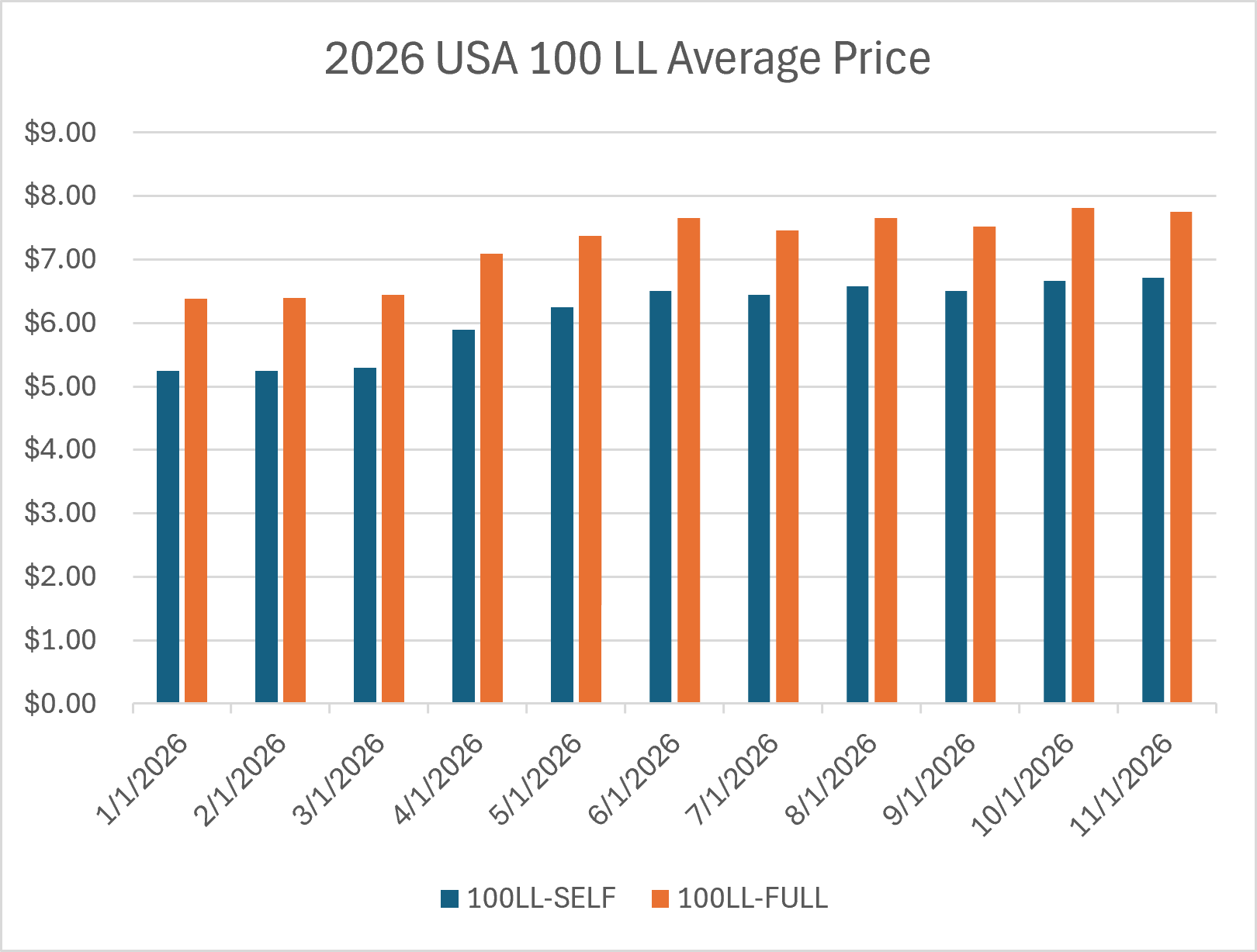
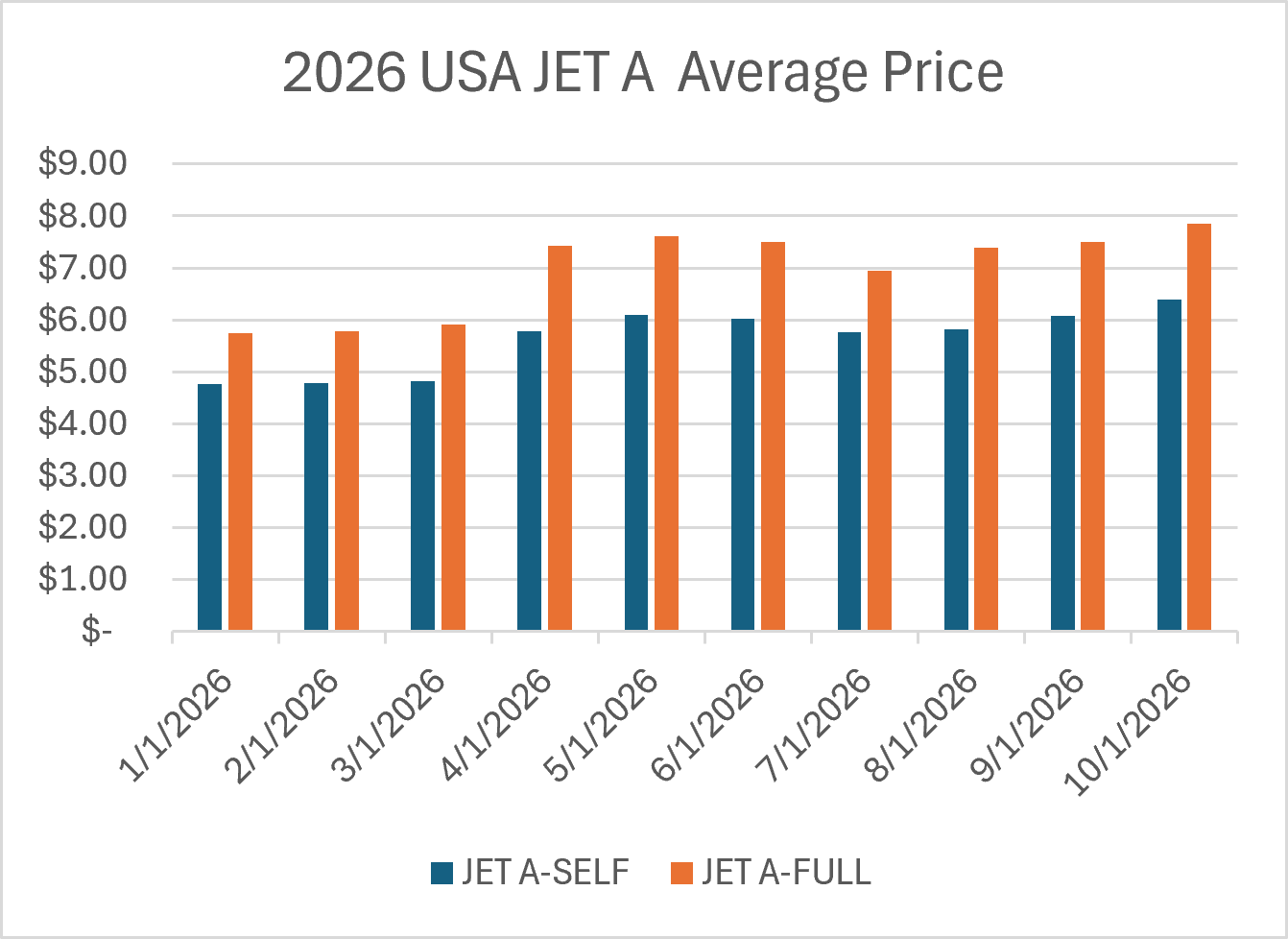
The ACUKWIK U.S. Regional Fuel Pricing Report for November shows prices once again increased from the previous month, but the jumps were smaller, and one category actually saw a slight decrease.
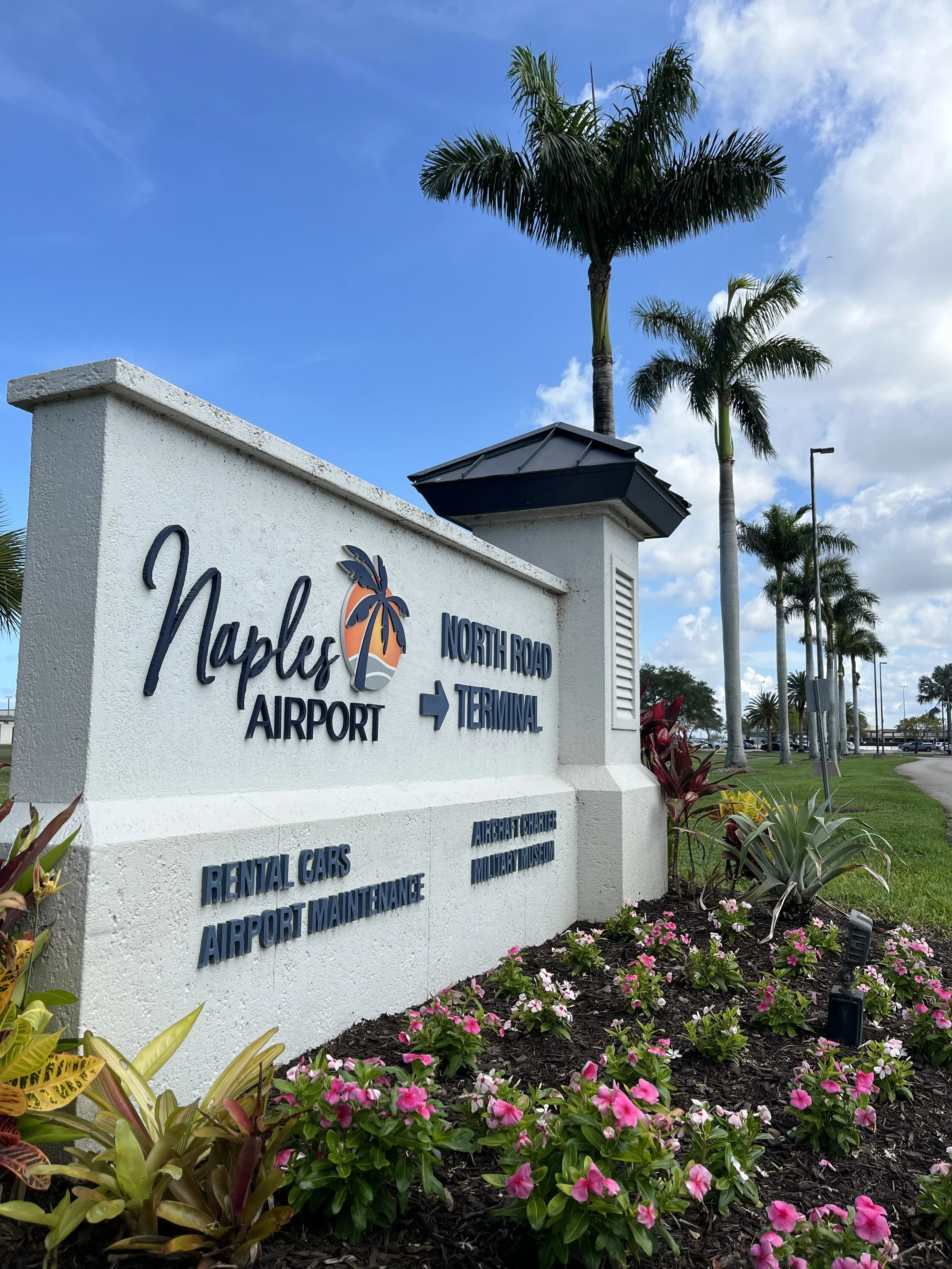
Naples Airport (KAPF) has recognized 15 operators that demonstrated a strong commitment to safety while being a good neighbor to nearby residents and businesses.
As Costa Rica approaches its busiest travel season, Aerologística ST encourages business aviation operators to plan ahead to avoid parking limitations, operational delays, and last-minute changes.
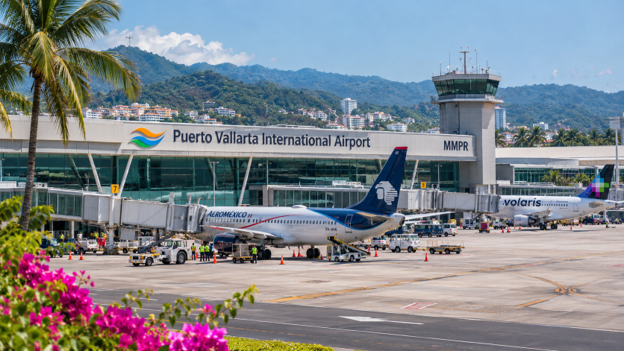
As Puerto Vallarta prepares for increased air traffic during the upcoming holiday travel season, business aviation operators should anticipate operational restrictions, limited aircraft parking availability, and potential delays at Licenciado Gustavo Díaz Ordaz International Airport (MMPR).
Ground handling is a service in which every other component of business aviation flights succeeds or fails. Everything could be prepared: the aircraft can be airworthy, the crew can be rested, the flight plan can be filed, the permit could be issued, and the passengers may be timely. Yet, if the ground handling at the destination airport is poorly coordinated, the departure will be delayed. The ramp workers will have no safety management system, and the aircraft will be exposed to danger from the moment of arrival.
For pilots, FBO operators, and aviation business owners alike, fuel pricing trends are more than just numbers on a report—they're a direct window into operating costs and regional market dynamics. Comparing the ACUKWIK U.S. Regional Fuel Pricing Reports from September and October 2026 reveals a clear story: prices are climbing across the board, and the increases are not evenly distributed from coast to coast.
COPYRIGHT © 2026. ALL RIGHTS RESERVED. INFORMA MARKETS, A TRADING DIVISION OF INFORMA PLC.
ACCESSIBILITY | PRIVACY POLICY | COOKIE POLICY | TERMS OF USE