Understanding Private Aviation in Costa Rica: From Its Beginnings to Today
/
Costa Rica’s private aviation sector has undergone a remarkable transformation over the past several decades. What began as a small network serving remote regions and supporting tourism has evolved into a sophisticated industry that plays a critical role in business aviation, luxury travel, investment, medical transport, and regional connectivity.
In the early years, private aviation was primarily driven by necessity. With limited road infrastructure connecting many parts of the country, aircraft provided an efficient way to reach destinations that would otherwise require long and challenging journeys. Small airstrips scattered throughout the country became vital links for tourism operators, businesses, and local communities.
As Costa Rica gained international recognition as a premier eco-tourism destination, private aviation expanded alongside the tourism industry. Investors, business leaders, and high-net-worth travelers increasingly sought direct access to the country’s beaches, rainforests, resorts, and private residences. This demand fueled the growth of charter operations, corporate aviation, and support services.
The 1990s and 2000s marked a significant period of modernization. International airports such as Juan Santamaría International Airport and Daniel Oduber Quirós International Airport experienced substantial growth, while ground handling providers, fuel suppliers, maintenance organizations, and airport operators enhanced their capabilities to support a growing number of private aircraft arrivals.
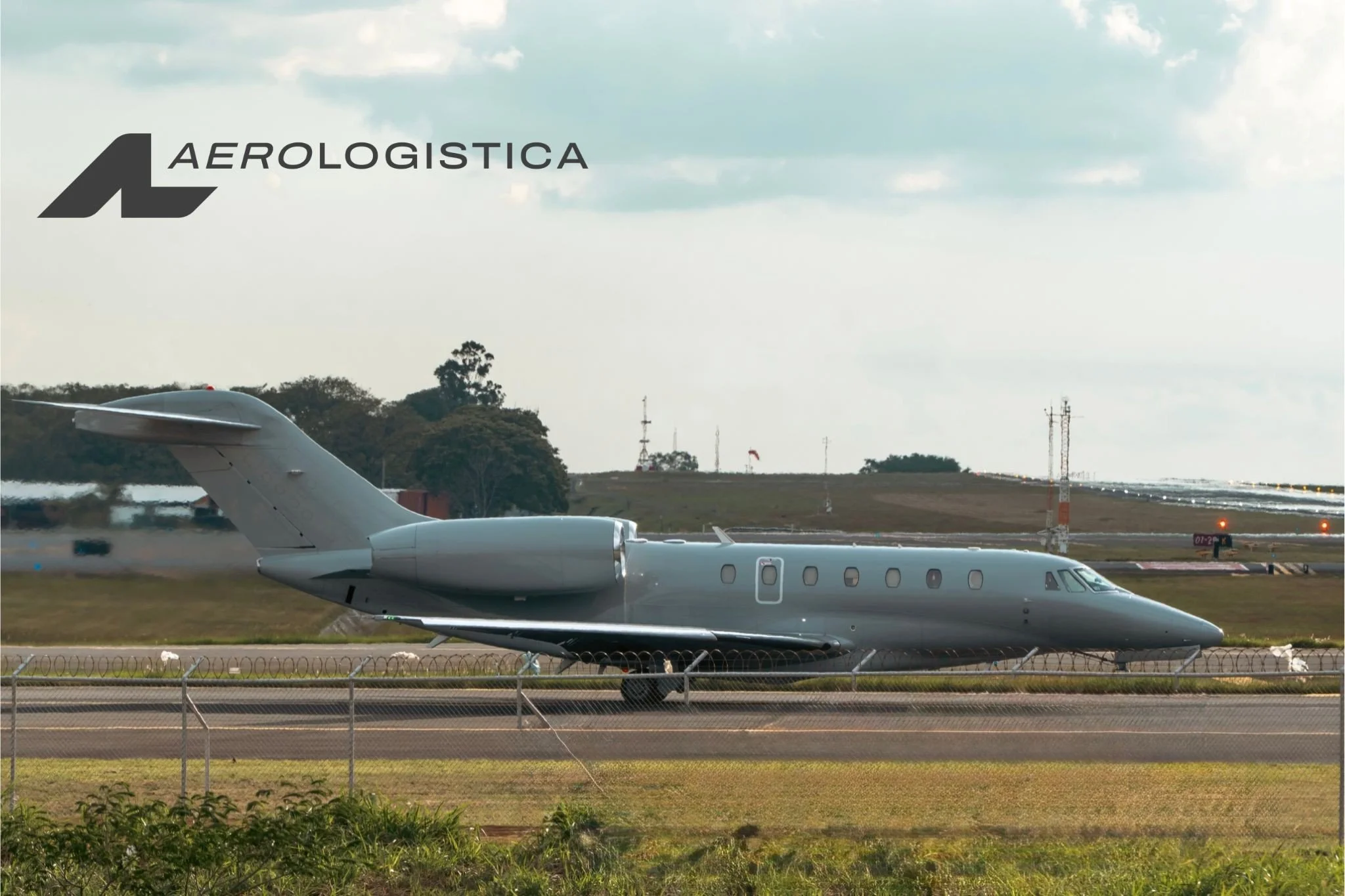
Today, Costa Rica stands as one of Latin America’s premier private aviation destinations. Business jets ranging from light aircraft to ultra-long-range aircraft arrive daily from North America, Europe, and other regions. The country’s political stability, world-class tourism infrastructure, strategic location, and commitment to sustainability continue to attract travelers, investors, and global corporations.
Private aviation in Costa Rica is far more than transportation. It is an ecosystem that includes regulators, airport operators, ground handlers, fuel providers, maintenance facilities, transportation companies, hotels, concierge services, and technology partners working together to deliver seamless experiences for operators and passengers.
Looking ahead, the industry continues to evolve. Sustainable Aviation Fuel (SAF), artificial intelligence, advanced air mobility, and eVTOL technologies are beginning to shape conversations about the future of aviation in Costa Rica. These innovations have the potential to further strengthen the country’s position as a regional leader in aviation and connectivity.
From humble beginnings serving remote communities to becoming a sophisticated gateway connecting Costa Rica with the world, private aviation has played a significant role in the country’s economic development, tourism growth, and international accessibility. Its evolution is a testament to Costa Rica’s ability to embrace progress while preserving the natural beauty and hospitality that define the nation.
What do you think will have the greatest impact on the future of private aviation in Costa Rica: sustainability, technology, infrastructure, or advanced air mobility?