International Charter Trip Support 2026: What to Secure Before You Depart
/Most trips do not break at planning. They break at 0200, when a permit lapses and no one is watching. Your international trip support in 2026 depends on locking down every detail before you depart: overflight and landing permits, airport slots, ground handling, fuel uplift release, crew visas, and more. American Flight Support tracks these elements around the clock so your schedule stays intact, no matter the time zone or last-minute changes. Send us your next rotation and we will quote it against today’s number.
Essential Pre-Departure Checks
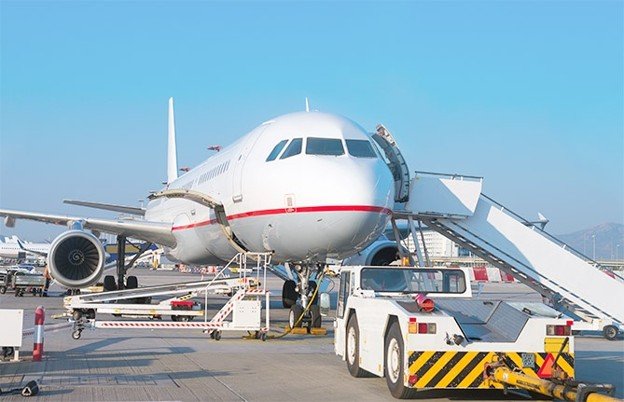
Before taking off on your international charter flight, securing the right permits and handling logistics is crucial. These steps ensure your journey is smooth and free of unexpected delays.
Securing Overflight and Landing Permits
Your flight's success begins with securing the necessary permits. Overflight permits and landing permits are essential for operating legally across different regions. Missing out on these can lead to costly delays. Reach out to your charter service provider to handle this for you. They typically have robust networks and processes to expedite approvals.
Navigating Airport Slots and PPRs
Airport slots are limited, especially in busy hubs. Securing these slots early is vital. Your provider should coordinate precise timings for takeoff and landing. Prior Permission Required (PPR) is another factor often overlooked. Ensuring these permissions are in place guarantees a hassle-free airport experience. This process, when done correctly, keeps everything running smoothly and on time.
Ground Handling Coordination Essentials
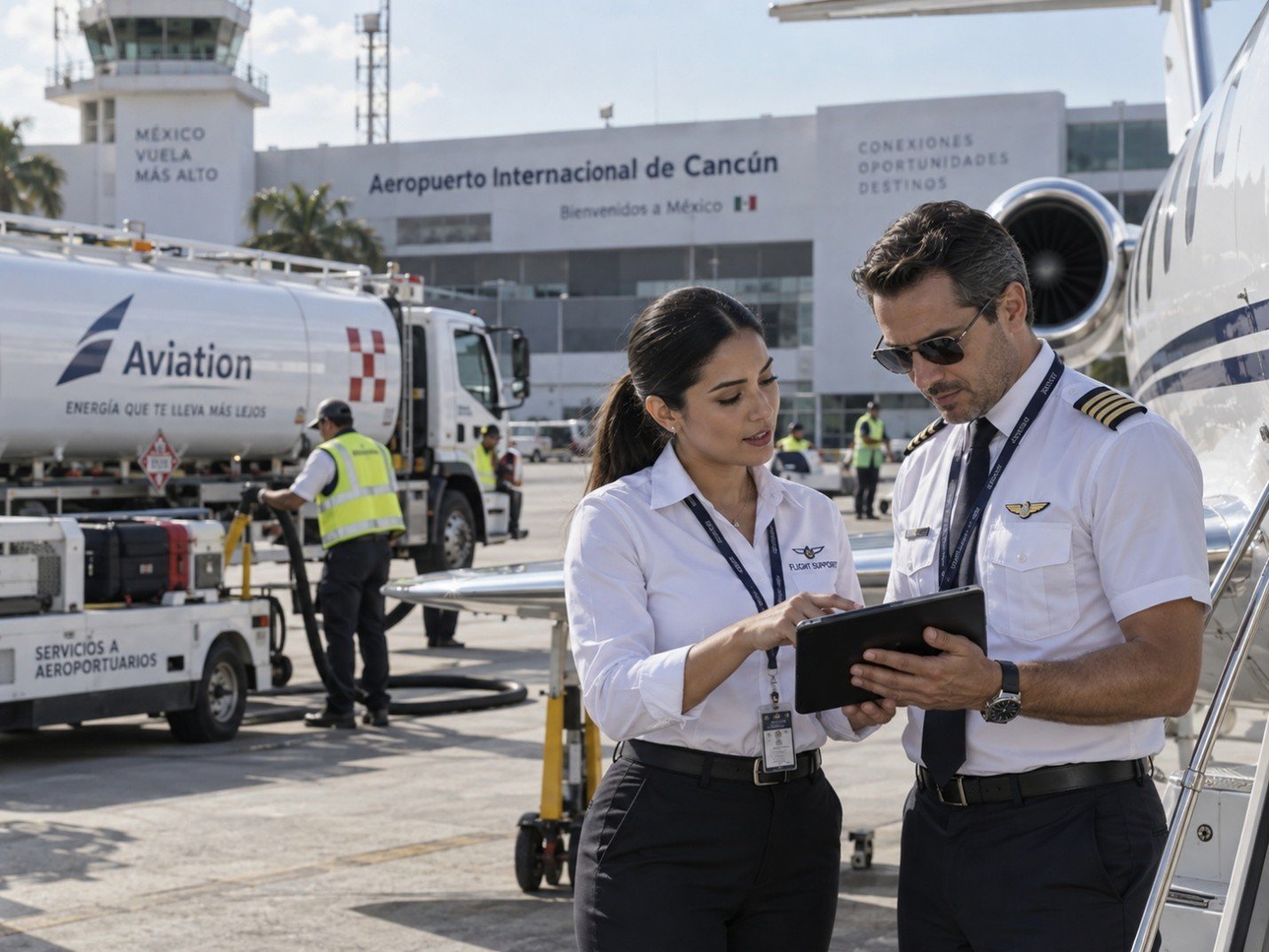
Efficient ground handling is your safety net upon arrival. This includes baggage handling, de-icing, and passenger escort services. A well-coordinated ground team ensures your aircraft is ready for departure or smoothly transitions to your next destination. Discuss your specific needs with your provider to ensure seamless service.
Key Operational Considerations

Operational details can make or break your flight schedule. By addressing these considerations early, you maintain a steady course and avoid last-minute surprises.
Fuel Uplift and Tech Stop Planning
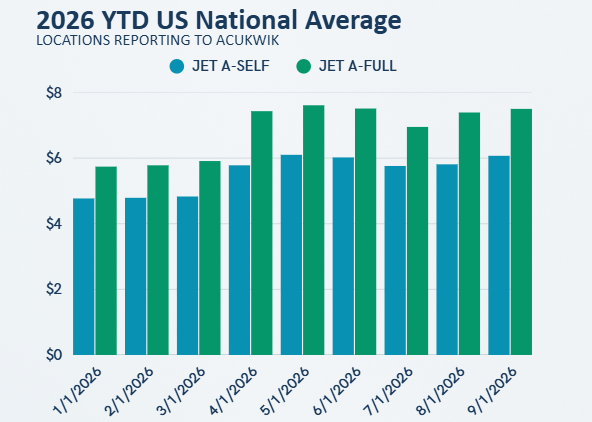
Fuel uplift and tech stops require careful planning. Knowing where and when to refuel prevents delays. Your charter provider should map out refueling stops that align with your route, considering factors like fuel prices and availability. This foresight ensures your journey continues without interruption.
Managing APIS, Crew Visas, and Passports
Advanced Passenger Information System (APIS) compliance is a must. Ensure your crew's visas and passports are in order, matching entry requirements of all transit countries. Failure to comply can lead to fines or denied entry. Confirm these details with your provider well in advance of your departure.
Adhering to Cabotage and Sanctions Rules
Understanding cabotage laws and sanctions is critical. These rules vary by country, impacting where you can pick up and drop off passengers. Ensuring your charter provider navigates these regulations proficiently prevents costly legal issues. Discuss international restrictions and coordinate with your provider accordingly.
Ensuring Smooth Trip Execution

Executing a smooth trip involves several critical processes. With proper planning, you can focus on the journey ahead, confident that all details are covered.
Customs, Immigration, and CIQ Processes
Navigating customs, immigration, and quarantine (CIQ) processes can be complex. Ensure your charter provider offers assistance to streamline these procedures. This support is invaluable, reducing wait times and eliminating paperwork hassles upon arrival.
Addressing Duty Time and Crew Rest
Crew duty time regulations ensure safety but can affect your schedule. Plan layovers and rest periods according to these rules. Your provider should manage crew schedules efficiently, balancing operational needs with regulatory compliance.
Handling Airport Curfews and Noise Restrictions
Airport curfews and noise restrictions can impact your flight times. Understanding these limitations helps avoid fines and schedule disruptions. Your provider must plan flights within these parameters, ensuring compliance while minimizing inconvenience.
Frequently Asked Questions
What are overflight and landing permits?
Overflight and landing permits are authorizations required for aircraft to fly over or land in a specific country. They ensure compliance with international aviation regulations.
How does one ensure smooth airport and ground handling?
Smooth ground handling involves coordinating services like baggage management and de-icing. Working with a reliable charter provider ensures all these elements are arranged efficiently.
Why is it important to plan for fuel uplift and tech stops?
Planning fuel uplift and tech stops is crucial to avoid unexpected delays. Proper planning ensures refueling aligns with your route, keeping the journey smooth and on schedule.
What are the implications of not adhering to cabotage rules?
Failure to adhere to cabotage rules can result in fines or legal trouble. These laws dictate passenger pickup and drop-off regulations within a country, requiring careful compliance.
Why is managing customs and immigration processes vital?
Efficient customs and immigration management reduces wait times and paperwork. A charter provider can streamline these processes, ensuring a hassle-free travel experience.